Plumbing in Englewood Rentals: What Landlords and Tenants Are Each Responsible For
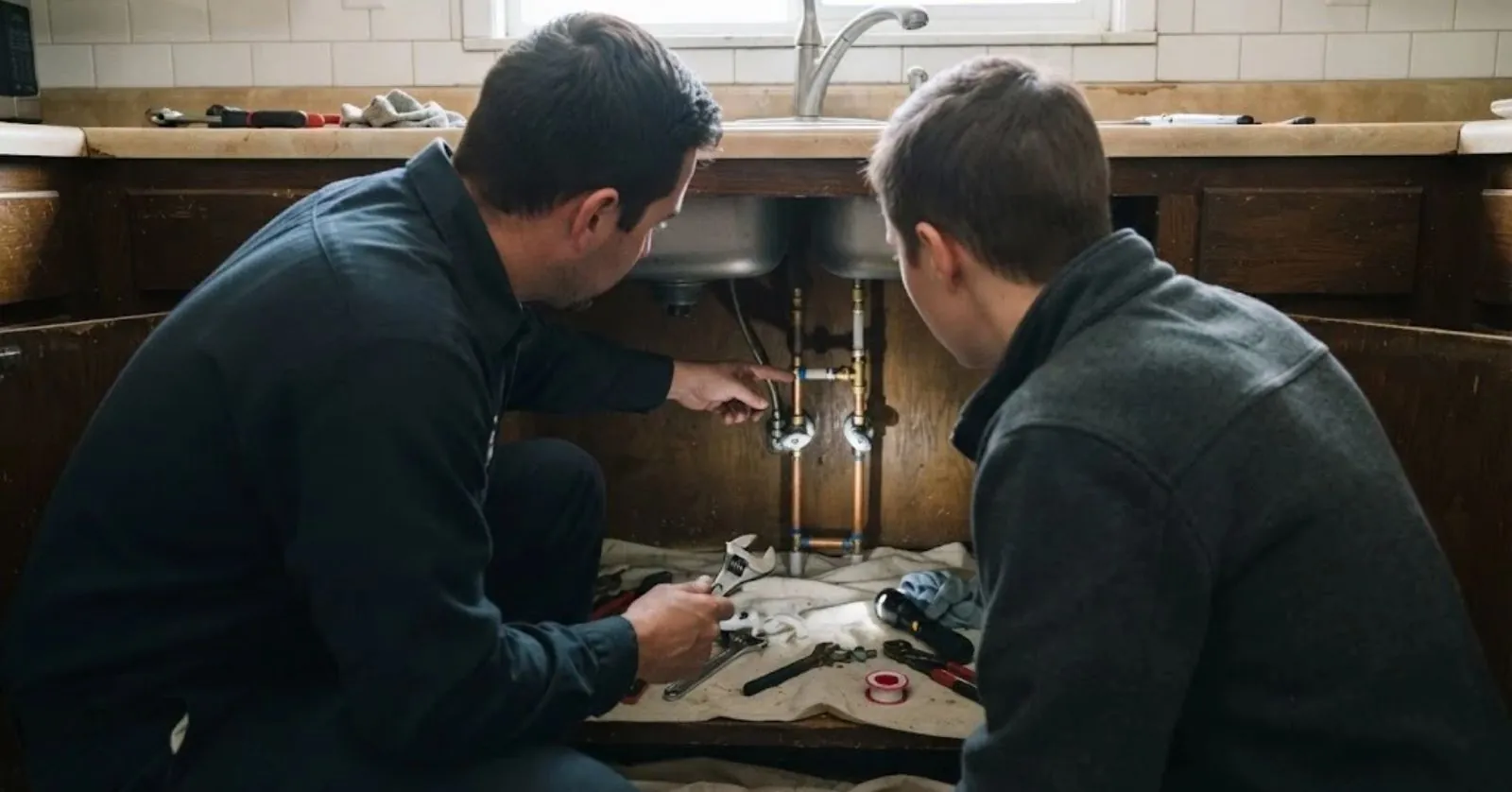
Englewood has plenty of rental housing, from single-family homes to apartment buildings along South Broadway. When a pipe leaks or the hot water stops, both sides want to know who is responsible and how quickly it needs to be fixed. This guide summarizes how Colorado's warranty of habitability applies to plumbing, what tenants should do, and how landlords can stay ahead of problems.
What Colorado law requires
Every residential lease in Colorado includes an implied warranty of habitability under C.R.S. 38-12-503. Among the conditions listed in the related section, 38-12-505, a rental must have plumbing and gas facilities in good working order, running water and reasonable amounts of hot water connected to an approved sewage system, and functioning heat.
In practice, that means a broken water heater, a sewer backup, a major leak or no heat in winter are the landlord's responsibility to fix, unless the tenant caused the problem.
This is a general summary, not legal advice. Laws change, and landlords and tenants with a dispute should consult the statute or an attorney.
What to do as a tenant when something breaks
These steps protect both your safety and your rights.
- For an active leak, close the nearest shutoff or the main to stop the water, then report it.
- Give written or electronic notice through the method your landlord normally uses, such as email, text or a portal.
- Keep proof that the notice was delivered, such as a screenshot or sent email.
- Describe the problem clearly and, if you are willing, grant permission for the landlord or a plumber to enter.
- If you smell gas, leave and call Xcel Energy or 911 from outside before notifying the landlord.
Response and repair time limits
Colorado's statute sets specific deadlines once a landlord receives proper written or electronic notice. The landlord must respond within 24 hours, indicating how and when the problem will be addressed.
For conditions that materially interfere with the tenant's life, health or safety, the landlord must begin remedial action within 24 hours. For other habitability conditions listed in the statute, such as plumbing, hot water and heat, the period is generally 96 hours when the tenant has given permission to enter.
Beginning remedial action means starting reasonable efforts, such as dispatching a plumber, not necessarily finishing the repair within that window. Some repairs, like replacing a sewer line, take longer to complete.
Landlord or manager with a tenant emergency?
We take work orders from owners and coordinate access with tenants, 24/7.
Common plumbing issues and who usually pays
The general rule is that the landlord maintains the systems and the tenant pays for damage they cause. These are typical examples.
| Issue | Usually the landlord | Usually the tenant |
|---|---|---|
| Water heater failure from age | Yes. | No. |
| Root intrusion in the sewer line | Yes. | No. |
| Clog from grease, wipes or toys | Depends on the lease. | Often, if clearly caused by misuse. |
| Frozen pipe while tenant kept heat on | Yes. | No. |
| Frozen pipe after tenant turned heat off | Depends on the lease. | Often. |
| Running toilet or dripping faucet | Yes, as maintenance. | Should report promptly. |
Advice for Englewood landlords
Many Englewood rentals are older houses with galvanized supply pipe, cast iron drains and clay or cast iron sewer laterals. Those systems fail in predictable ways, and preventive work is usually cheaper than emergency repair during a tenancy.
A camera inspection of the sewer line between tenants, a water heater inspection, and a meter test for hidden leaks catch most problems before they become habitability claims. Our sewer line repair and leak detection pages explain those services.
Give tenants clear instructions on where the main shutoff is and what not to put down drains. A short note on the refrigerator or in the move-in packet prevents many clogs and limits damage when a leak happens.
Finally, keep a simple log of plumbing work for each unit: dates, what was found and what was fixed. When a question of responsibility comes up, a record of regular maintenance and prompt repairs is the strongest answer an owner can give.
Move-in and move-out plumbing checks
A short plumbing walk-through at each turnover prevents most disputes later.
- Run every faucet and shower, checking for drips, low flow and slow drains.
- Flush every toilet and watch for running or leaking at the base.
- Do a meter test with everything off to catch hidden leaks.
- Look under sinks for dampness, stains or loose drain fittings.
- Note the water heater's age and condition, and test the relief valve.
- Show the incoming tenant the main shutoff and the water heater controls.
Water heaters, permits and code in rentals
Replacing a water heater in a rental is permitted work, just as in an owner-occupied home. The Colorado Plumbing Code, built on the IPC (International Plumbing Code), requires items such as a properly piped temperature and pressure relief valve, and the city inspects the finished work.
Skipping the permit to save time can create problems later, including insurance questions after a failure and complications when the property is sold. A permitted replacement also gives the owner a record that the heater was installed to code.
The same applies to gas line work, repiping and sewer replacement in a rental. Permits protect the owner as much as the tenant, because they create an inspection record showing the work was done properly.
Leaks and utility bills in rentals
Who pays the water bill varies by lease. When the tenant pays, a running toilet or hidden leak can create tension quickly. When the owner pays, a leak can go unnoticed for months because the tenant has no reason to watch the meter.
Either way, a quick response to reported drips and running toilets protects the relationship and the bill. A meter test with every fixture off, the first step on our leak detection page, is something tenants and owners can both do.
Emergency plumbing in rentals
Plumbing emergencies do not wait for business hours. Owners and managers can set up a standing authorization so a plumber can respond to a tenant emergency and coordinate access, with findings and invoices sent to the owner.
When a water heater fails, our water heater repair service handles both gas and electric tanks. When a sewer backs up into a rental, the line is cleared first, then a camera shows whether the cause was tenant misuse or an aging lateral, which helps settle responsibility.
The same state law applies to rentals near campus in Denver's University Park, where winter-break freezes are a recurring issue.
Sources
- Colorado Revised Statutes 38-12-503, warranty of habitability.
- Colorado Revised Statutes 38-12-505, uninhabitable residential premises.
- Colorado Legal Services, warranty of habitability overview.
This guide is general information for Englewood-area property owners, not a substitute for an on-site inspection. Utility programs and rules change, so confirm details with the agency named.