Why Englewood Tap Water Tastes or Smells Off, and What Actually Helps
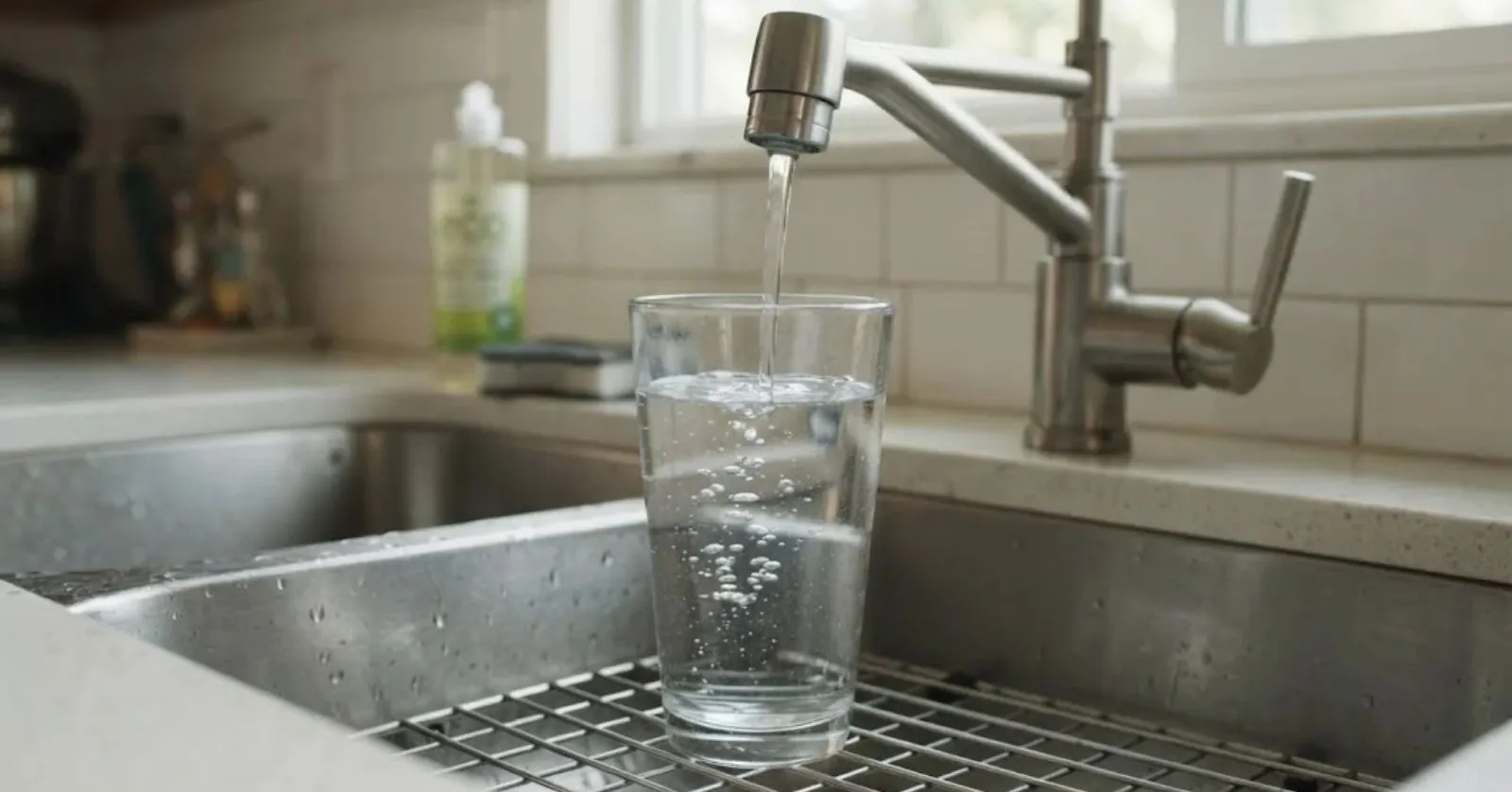
Taste and odor complaints about tap water are common, and Englewood is no exception. The city itself has a program aimed at improving its water's taste, odor and hardness. The key to fixing a smell is figuring out where it starts: in the city's water, in your pipes, in your water heater or in a drain. This guide walks through each possibility and the fixes that actually work.
Where Englewood's water comes from
Englewood Utilities treats its water at the Allen Water Treatment Plant, using water drawn from City Ditch and the South Platte River. River and ditch water change with the seasons, and warm weather can bring natural compounds that give water an earthy or musty taste even when it is fully treated.
The city's taste, odor and hardness improvement work is a sign that these complaints are taken seriously at the source. If a noticeable change happens suddenly across your whole house, it is worth reporting to Englewood Utilities.
What to do first: find where the smell starts
A few quick tests narrow the cause before you buy anything.
- Fill a glass with cold water, step away from the sink, and smell it. If the smell stays with the glass, it is in the water.
- If the glass smells fine but the sink smells, the drain is the source, not the water.
- Compare hot and cold. A smell only in hot water points to the water heater.
- Check other faucets. A smell at one faucet only suggests a local issue in that line or fixture.
- Ask a neighbor. If they notice it too, it is likely in the city supply.
Common tastes and smells, and their usual causes
These are general patterns. Use them to decide what to check next.
| Taste or smell | Usual source | What usually helps |
|---|---|---|
| Chlorine or pool-like | Disinfectant used in treatment. | A carbon filter certified to NSF/ANSI 42. |
| Earthy or musty, in hot and cold | Seasonal compounds in source water. | A carbon filter, and reporting persistent changes to the utility. |
| Rotten eggs, hot water only | Reaction with the water heater's anode rod. | Replace the anode with a different alloy. |
| Metallic | Corroding pipes or fixtures. | Have the plumbing checked, especially galvanized pipe. |
| Sewer smell at a sink | Drain or dry trap, not the water. | Run water to refill traps, clean the drain. |
Rotten-egg smell from the hot water?
That is usually the water heater's anode rod, and it is fixable. Call to have it checked.
The water heater smell
A sulfur or rotten-egg smell that appears only in hot water is almost always coming from the water heater. The anode rod, a metal rod that protects the tank from corrosion, can react with naturally occurring sulfate in water and produce hydrogen sulfide gas.
The usual fix is replacing the anode with a different alloy that reacts less. Flushing the tank and, in some cases, a brief higher temperature cycle can also help. Our water heater repair page covers anode replacement.
It is worth separating this from a natural gas leak, which also smells like rotten eggs because of an added odorant. A gas smell is noticeable in the air near an appliance or throughout the house, not only when hot water runs. If you smell gas, leave the building and call Xcel Energy or 911 from outside.
Choosing a filter that matches the problem
Filters are certified for specific results, so match the certification to your goal. NSF/ANSI Standard 42 covers aesthetic effects such as chlorine taste and odor. NSF/ANSI Standard 53 covers health-related contaminants, including lead. NSF/ANSI Standard 58 covers reverse osmosis systems.
For taste and odor at the kitchen tap, an under-sink carbon filter certified to Standard 42 is usually enough. For chlorine smell in the shower throughout the house, a whole-home carbon filter near the main shutoff is the option. Neither addresses hardness, which is a separate question covered on our water softener installation page.
Installation and cartridge schedules for each type are on our water filtration installation page.
Taste, odor and safety
The EPA treats most taste and odor issues as aesthetic, covered by non-enforceable secondary standards, rather than as health risks. An unpleasant taste does not by itself mean water is unsafe.
That said, a sudden change in color, taste or smell across the house is worth reporting, and older homes with lead or galvanized pipe should use a filter certified for lead for drinking and cooking regardless of taste. If lead is your specific worry, the city's online service line inventory map shows what your service line is made of.
Stale water and seldom-used fixtures
Water that sits in pipes for a long time can pick up tastes from the plumbing itself. A guest bathroom that is rarely used, or a whole house after a vacation, often has a flat or metallic taste at first. Running each tap for a minute or two usually clears it.
The same applies to water heaters. A tank that sits unused while you travel can develop an odor, and flushing a few gallons through the drain valve and running hot taps for several minutes is often enough to freshen it.
Whole-home or point-of-use?
A point-of-use filter treats water at one tap, usually the kitchen sink. It is the most cost-effective way to improve drinking and cooking water, and some models are certified for lead as well as taste.
A whole-home filter treats all the water entering the house, which helps with chlorine smell in showers and at every faucet. It has a higher upfront cost and larger cartridges, and most are not certified for lead at every tap. Many Englewood households start with a kitchen filter and add a whole-home unit only if showers or laundry are a concern.
Keeping filters from becoming the problem
An overdue filter cartridge can develop its own taste as it loads up. Replace cartridges on the manufacturer's schedule, write the date on the housing, and flush a new cartridge as directed before drinking from it.
If a smell appears soon after a new filter is installed, run water through it for several minutes. If it persists, the problem is likely elsewhere, and the checks above will point to it. Keep the old cartridge's model number handy, since matching the replacement to the housing matters for both fit and certification.
If you live in Greenwood Village or another nearby city, your water provider may differ from Englewood's, so check its own water quality report.
Sources
- City of Englewood, drinking water treatment and water quality information.
- NSF International, NSF/ANSI Standards 42, 53 and 58 for drinking water treatment units.
- U.S. EPA, Secondary Drinking Water Standards guidance.
This guide is general information for Englewood-area property owners, not a substitute for an on-site inspection. Utility programs and rules change, so confirm details with the agency named.