Englewood Water Hardness and How Long Your Water Heater Will Last
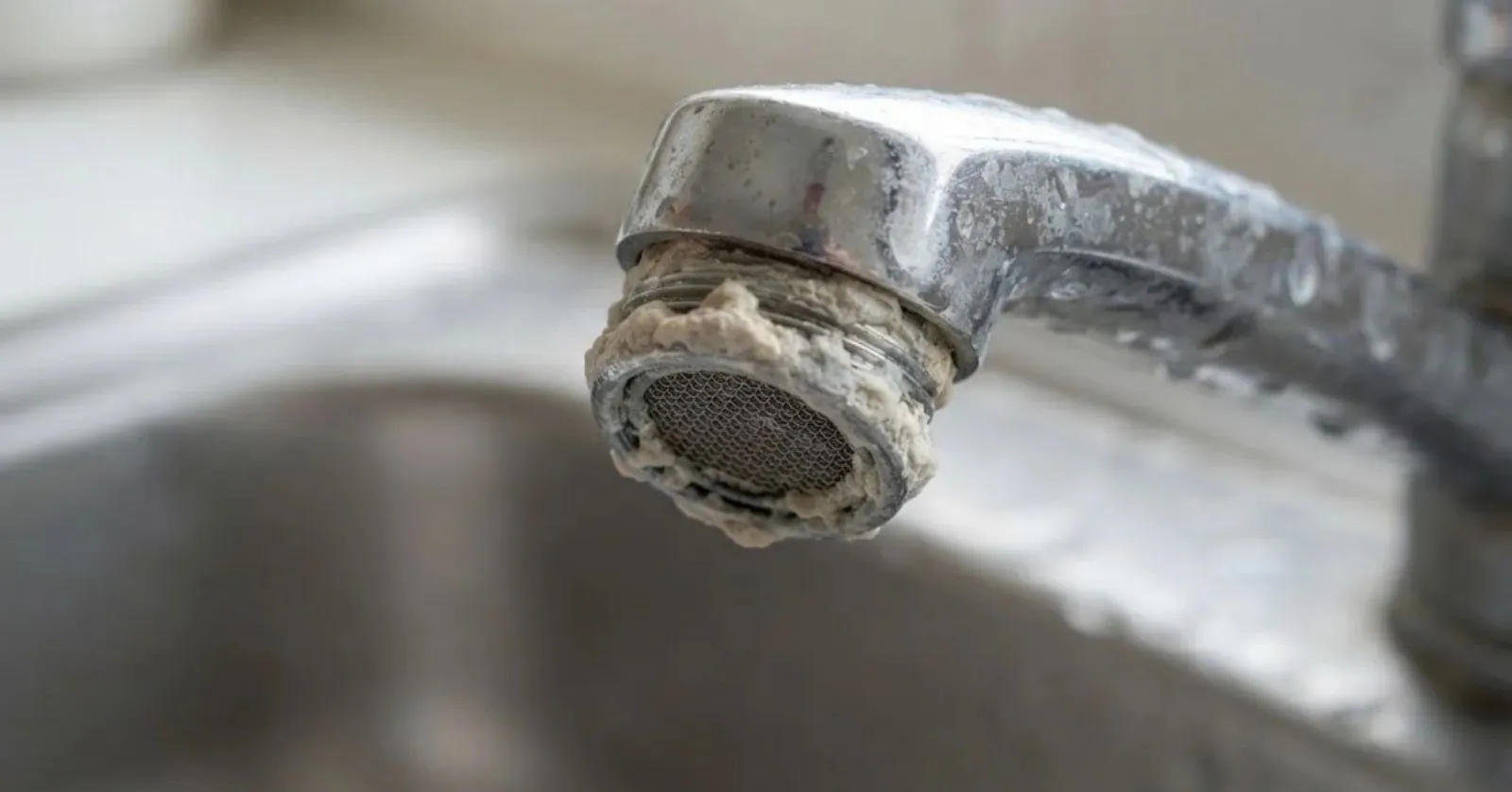
Water heaters rarely fail at random. In most cases, the minerals in the water and the maintenance the heater did or did not get decide how long it lasts. Englewood treats its own water, and the city has an active program to improve its hardness, which makes this a local question worth understanding.
Where Englewood's water comes from
Englewood Utilities treats drinking water at the Allen Water Treatment Plant, first built in 1958. The plant draws from City Ditch and the South Platte River. River water carries calcium and magnesium picked up along the way, and those two minerals are what make water hard.
The city has a program aimed at improving the water's taste, odor and hardness. That is a useful signal that hardness is a recognized local issue, and it also means the numbers may change over time.
Why online numbers disagree
Third-party websites list very different hardness figures for Englewood, and even local plumbing companies quote different ranges. Source water changes with the season, and older figures may not reflect current treatment. The reliable approach is to test at your own tap. Use the cold tap closest to the main shutoff, let it run for a minute first, and test again in a different season. If the two readings differ a lot, plan maintenance around the higher one.
How to read a hardness result
Hardness is reported either in milligrams per liter, which is the same as parts per million, or in grains per gallon. One grain per gallon equals about 17.1 mg/L. The U.S. Geological Survey uses these categories.
| Hardness (mg/L) | Grains per gallon | USGS category |
|---|---|---|
| 0 to 60 | 0 to 3.5 | Soft. |
| 61 to 120 | 3.6 to 7 | Moderately hard. |
| 121 to 180 | 7.1 to 10.5 | Hard. |
| Over 180 | Over 10.5 | Very hard. |
Inexpensive test strips from a hardware store give a usable reading. Englewood Utilities also publishes an annual water quality report, which is worth reading alongside your own test.
What hardness does inside a water heater
Heating water drives minerals out of solution. In a tank heater, they settle as sediment on the bottom, right above the burner or lower element. Sediment insulates the water from the heat source, so the heater runs longer, and water trapped under the layer can flash to steam, which is the rumbling and popping many owners hear.
Over time, that extra heat stresses the tank bottom. Combined with corrosion once the sacrificial anode rod is used up, it is a common path to a leaking tank.
In a tankless heater, the same minerals coat the heat exchanger. Scale makes the unit work harder and eventually triggers overheat or flow errors. Descaling on a schedule is the fix, covered on our tankless water heater service page.
Water heater rumbling or popping?
That is sediment. A flush may help, and we can tell you if the tank is past saving.
A realistic maintenance schedule
These intervals are a starting point for Englewood homes. Adjust them based on your test results and what you see during maintenance.
| Task | Tank heater | Tankless heater |
|---|---|---|
| Flush sediment or descale | Once a year. | Once a year, or every two years with a softener. |
| Inspect the anode rod | Every two to three years. | Not applicable. |
| Test the relief valve required by the IPC | Once a year. | Once a year. |
| Clean the inlet screen | Not applicable. | At each descale. |
| Check venting and combustion | Every few years on gas units. | At each service on gas units. |
How to flush a tank water heater yourself
Flushing is a reasonable job for a careful homeowner. Stop if the drain valve will not close or anything leaks.
- Turn off the heat. Set a gas heater to pilot or vacation, or switch off an electric heater at its breaker so the elements do not burn out.
- Let it cool. Wait a few hours, or run hot water at a tub, so you are not draining scalding water.
- Connect a hose. Attach a garden hose to the drain valve at the bottom and run it to a floor drain or outside.
- Drain and stir. Close the cold supply, open a hot faucet upstairs, then open the drain valve. Briefly reopening the cold supply stirs sediment loose.
- Refill before reheating. Close the drain valve, open the cold supply, and let a hot faucet run until water flows steadily before turning the heat back on.
If the drain valve is clogged or the tank has never been flushed in many years, a professional flush is safer. Heavy sediment can plug the valve open.
Tank, tankless or heat pump in Englewood water
Each type handles minerals differently. Tank heaters collect sediment in the bottom, which flushing removes. Tankless heaters collect scale inside a small heat exchanger, where even a thin layer hurts performance, so they depend on regular descaling more than tanks do.
Heat pump water heaters store water in a tank like a conventional heater, so sediment behaves the same way, but the heating is done by a compressor rather than a burner. They still benefit from annual flushing and an anode check.
None of these is automatically right or wrong for Englewood. Whatever you choose, ask the installer to add isolation valves on tankless units and a full-port drain valve on tanks, since both make future maintenance faster and cheaper.
The more important question It is which one you will actually maintain, since an unmaintained heater of any type fails early in mineral-rich water.
Signs your heater is losing the fight
Rumbling that a flush no longer quiets, rusty water from the hot side only, water around the base, and a tank that is 10 to 12 years old or more all point toward replacement. A leak from the tank body is the end, since tanks cannot be patched.
When a repair still makes sense, our water heater repair page lists the common parts. When it does not, water heater installation compares tank, tankless and heat pump replacements.
Does an Englewood home need a softener?
Not necessarily. If your test shows moderately hard water and you keep up with flushing, a tank heater can live a full life without one. If your water tests hard or very hard, or you have a tankless heater, a softener reduces scale and stretches maintenance intervals.
A softener does not remove lead and does not replace a drinking-water filter. For sizing and options, see our water softener installation page.
Water chemistry changes outside the city, since Centennial is served by several providers, some using groundwater, so a test there matters just as much.
Sources
- City of Englewood, drinking water and utilities information.
- U.S. Geological Survey, Hardness of Water (Water Science School).
- Englewood Utilities, annual water quality report.
This guide is general information for Englewood-area property owners, not a substitute for an on-site inspection. Utility programs and rules change, so confirm details with the agency named.