High Water Bill in Englewood? How to Find What Is Using the Water
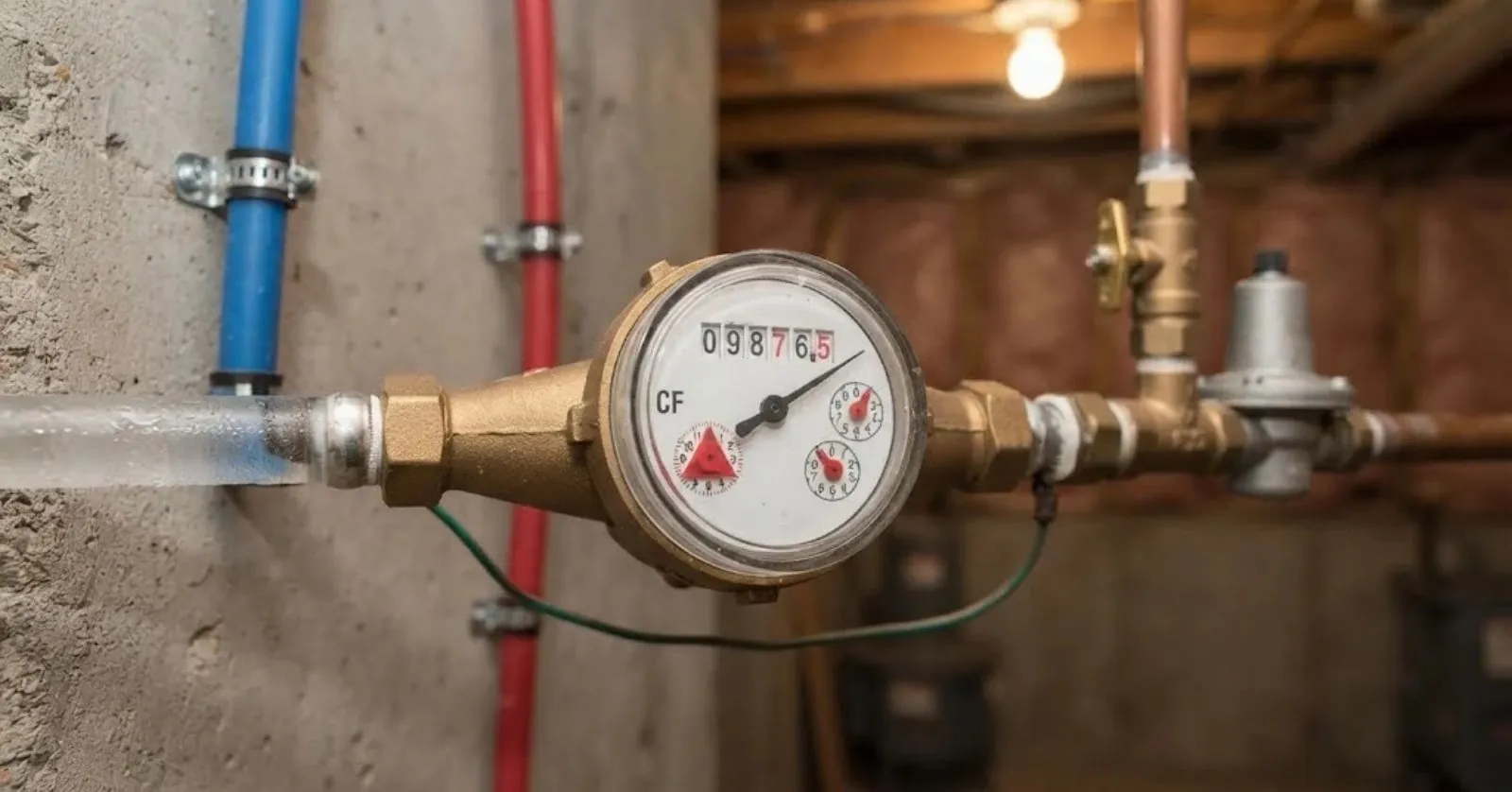
An unexpectedly high water bill is one of the most common reasons Englewood homeowners start looking for a plumber. Sometimes the cause is a running toilet. Sometimes it is a leak under the yard. And sometimes it is a new meter reading more accurately than the old one did. This guide walks through the checks in the order that finds the answer fastest.
First, compare like with like
Before looking for a leak, compare the bill with the same billing period last year rather than last month. Water use rises in summer with irrigation, so a jump from spring to July is normal. A jump compared with the same season last year is the one worth investigating.
Also check the number of days in the billing period and whether the bill was estimated. An estimated reading followed by an actual one can make a single bill look much higher than the household's real use.
What to do first: the ten-minute meter test
This test tells you whether water is leaving your plumbing when nothing should be using it.
- Turn off every faucet, shower, appliance and irrigation zone, and make sure no one uses water during the test.
- Find the meter. In Englewood it may be inside the house, often in the basement, or outside in a pit near the sidewalk.
- Look at the leak indicator, usually a small triangle or star on the dial, or note the exact reading.
- Wait ten minutes, then check again. Any movement means water is flowing somewhere.
- Close the main shutoff inside the house and watch again. Movement at that point puts the leak underground, on the stretch from the meter to the foundation.
The usual suspects, from most to least common
Once you know water is moving, these are the places to look.
| Source | How to check | What it usually takes |
|---|---|---|
| Running toilet | Food coloring in the tank, wait 15 minutes without flushing. | A new flapper or fill valve. |
| Dripping faucet or shower | Look and listen at every fixture. | A cartridge or washer. |
| Irrigation leak | Watch for wet spots or a zone that will not shut off. | A valve or broken line repair. |
| Water heater relief valve | Check the discharge pipe for dripping. | A new valve, sometimes an expansion tank. |
| Buried service line | Meter moves with the house shutoff closed. | A service line repair. |
| Hidden supply leak in a wall or slab | Warm spots, stains, the sound of running water. | Professional leak detection. |
Meter moving with everything off?
That confirms a leak. Call and we can locate it without opening walls blindly.
What a new meter can change
Englewood Utilities has been replacing water meters across its service area. Mechanical meters can slow down as they wear, and an older meter may have been under-reading for years. When a new meter goes in, the bill can rise even though nothing in the house changed, simply because the reading is now accurate.
That is also how a long-running leak can suddenly show up. A slow leak that an old meter barely registered becomes visible on the first bills after a swap. The meter test above tells you which situation you are in. If the meter is still with everything off, the higher bill likely reflects real use. If it moves, there is a leak to find.
If you believe the meter itself is wrong, contact Englewood Utilities billing and ask about having it checked.
Why a winter leak can raise the sewer bill too
In South Englewood Sanitation District No. 1, the sewer charge is based on winter water use, specifically the lowest consecutive two-month period between October 1 and May 15. Because almost no one irrigates then, winter use is treated as a measure of what goes down the drain.
A leak running through those months can raise the use the sewer charge is based on, as well as the water bill for those months. Checking for leaks in the fall, before the winter period starts, protects both.
When to call for leak detection
If the meter moves and you have ruled out toilets, faucets and irrigation, the leak is hidden. Guessing at it means opening walls or digging in the wrong place. A professional search narrows it down first with pressure tests, ground microphones and a thermal camera, which our leak detection page explains.
A meter that keeps turning after the house shutoff is closed means the leak sits on the buried service line, which the owner is responsible for from the curb stop to the house. See our water line repair page for what that repair involves.
A running toilet is often the whole story, and it is an inexpensive fix. Our toilet repair page covers flappers and fill valves.
High water pressure wastes water too
Very high water pressure makes every fixture use more water and wears out toilet fill valves, faucet cartridges and appliance hoses faster. The IPC (International Plumbing Code) calls for a pressure reducing valve where the incoming pressure is above 80 psi, and many homes have one near the main shutoff.
When a pressure reducing valve fails, pressure can creep up without anyone noticing, and leaks start to appear in several places at once. A simple pressure gauge on an outdoor faucet shows the reading in seconds. If it is well above normal, the valve is worth checking.
Irrigation season surprises
In summer, irrigation is often the biggest water user in an Englewood household. A stuck zone valve, a broken head that sprays into the gutter, or a controller reset after a power outage can double a bill without any sign inside the house.
Walk the system with each zone running at the start of the season and after any repair, and check the controller schedule after storms that knock out power. A zone that runs for hours instead of minutes is a common cause of a sudden summer spike.
Keeping the next bill normal
Check the meter once a season with everything off, especially in October. Replace toilet flappers every few years, since the rubber stiffens and stops sealing. Have irrigation checked each spring when it is turned back on, because freeze damage often shows up as a broken line or head.
If you rent out a property, include a meter check in move-in and move-out inspections. It is the quickest way to catch a running toilet or dripping fixture before it becomes a billing dispute.
Owners in Centennial can use the same meter test, though their water provider and billing rules differ from Englewood's.
Sources
- City of Englewood Utilities, water meter replacement information.
- South Englewood Sanitation District No. 1, sewer billing based on winter water use.
- City of Englewood, Lead Reduction Program pages on service line ownership.
This guide is general information for Englewood-area property owners, not a substitute for an on-site inspection. Utility programs and rules change, so confirm details with the agency named.